5 Web Design Trends to Watch in 2026
Static text is out; moving text is in. Kinetic typography uses animation to make words dance, scroll, and interact with the user's cursor. This trend transforms copy into a central design element, grabbing attention immediately without relying heavily on images or video. It's particularly effective for bold, brand-centric hero sections.
With the maturation of tools like Midjourney and DALL-E, designers are integrating custom, highly specific generative art directly into web layouts. In 2026, we will see sites that adapt their visual imagery based on real-time data, time of day, or user behavior, creating a unique visual experience for every single visitor.
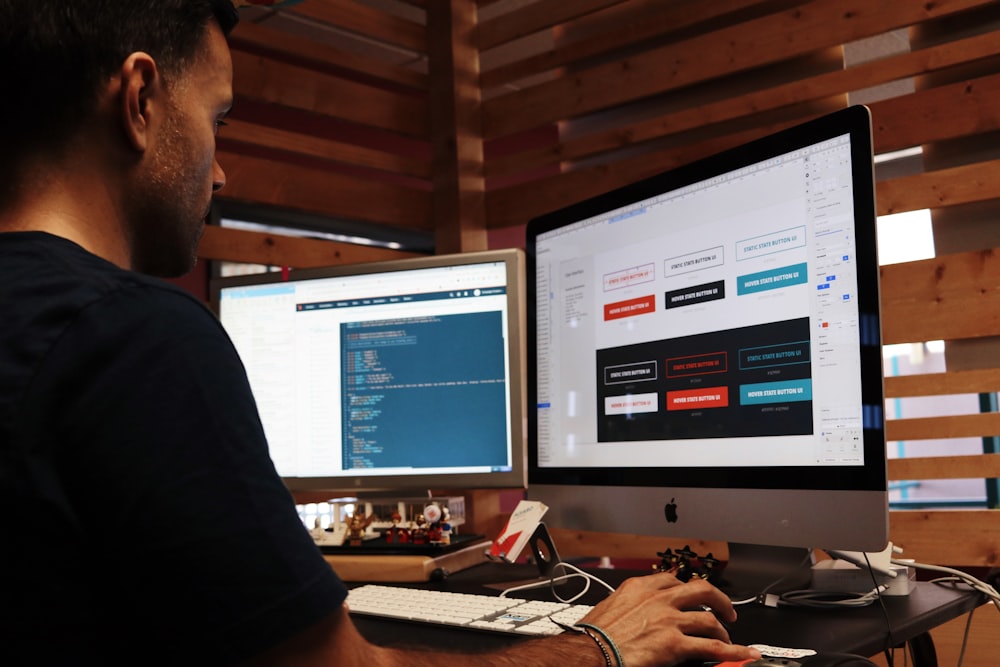
Micro-interactions are the subtle animations that provide feedback—like a button changing color on hover or a progress bar smoothly filling up. In 2026, these interactions will become deeper and more complex, featuring 3D depth, particle effects, and physics-based movements that make digital interfaces feel tactile and alive.
Glassmorphism has been popular for a few years, but it's evolving. The new iteration combines frosted glass effects with vibrant, dynamic gradients and holographic textures. It provides a sense of depth and hierarchy, ensuring that UI elements stand out beautifully against complex or animated backgrounds.
A counter-movement to overly polished designs, brutalist minimalism embraces raw, unstyled HTML aesthetics, stark typography, and high-contrast color palettes. It's a bold statement that prioritizes extreme performance, lightning-fast load times, and a distinct, edgy brand identity that cuts through the noise.